
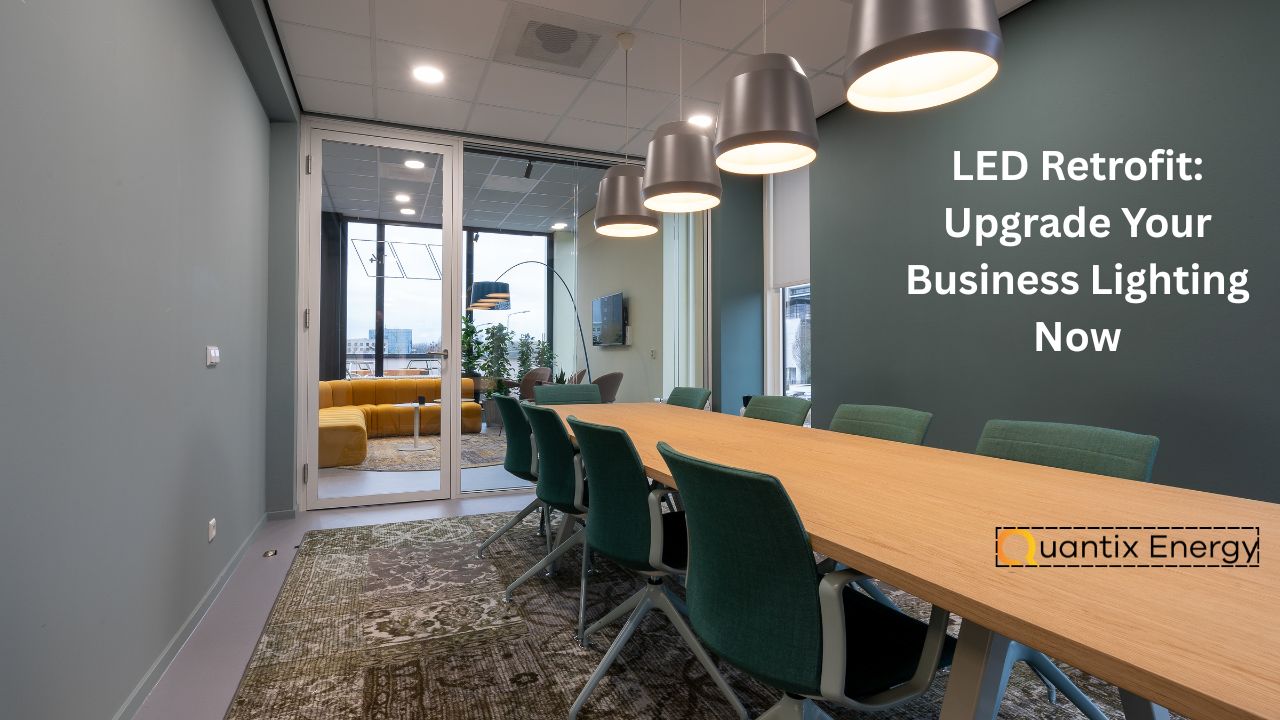
The lighting landscape is evolving rapidly, and 2025 marks a pivotal moment for businesses to transition from outdated fluorescent fixtures to modern LED lighting. A commercial LED retrofit isn’t just a trend—it’s an essential energy efficiency upgrade that directly impacts cost, maintenance, and workplace safety. With energy regulations tightening and LED technology more affordable than ever, waiting is no longer an option.
Why LED Retrofits Matter More Than Ever in 2025
Fluorescent and halogen lighting systems are not only inefficient but increasingly obsolete. LEDs consume up to 75% less energy and last 25 times longer. In 2025, utility rebate programs and government incentives for energy efficiency upgrades are at an all-time high, meaning businesses can save thousands upfront and more over time.
Moreover, evolving legislation such as updated building codes and stricter energy benchmarks are rendering older lighting technologies non-compliant. Delaying upgrades can result in fines, compliance challenges, and higher operational costs.
Financial Benefits of LED Lighting Upgrades
Upgrading to LED lighting is a proven way to cut operating costs. Businesses typically see:
- Up to 50–70% reduction in lighting energy usage
- Short payback periods, often under 2 years
- Eligibility for rebates covering 30–100% of project costs
- Reduced HVAC costs due to less heat emitted from fixtures
Additionally, many organizations report increased property value and stronger tenant retention in commercial real estate after lighting upgrades. These savings contribute directly to increased profitability and better investment outcomes.
Maintenance Cost Reductions
Frequent fluorescent bulb replacements create ongoing costs and disruptions. LED lighting, by contrast, requires minimal maintenance and comes with warranties ranging from 5 to 10 years. The result is less downtime, fewer service calls, and predictable upkeep expenses.
In large facilities like warehouses and industrial plants, this reduction in labor and parts cost can amount to tens of thousands of dollars over the system’s lifetime. Maintenance crews can redirect time toward more critical tasks rather than constantly replacing bulbs or fixing flickering fixtures.
Workplace Safety and Visual Comfort
LED retrofits offer better color rendering, more consistent brightness, and flicker-free illumination—improving visual comfort and reducing eye strain. In warehouses, parking areas, and office spaces, proper lighting also reduces the risk of accidents, improving both employee safety and productivity.
Poor lighting is one of the leading contributors to workplace injuries. Upgrading to LEDs enhances spatial awareness and visibility, especially in production lines, stairwells, and loading docks. For customer-facing environments, improved lighting boosts brand perception and overall experience.
Environmental Advantages of LED Lighting
Switching to LEDs helps reduce a business’s carbon footprint. LEDs are free of mercury and toxic gases, are fully recyclable, and drastically reduce energy consumption. As environmental regulations tighten, making the switch is both a compliance measure and a brand-enhancing move.
Many companies are now publishing Environmental, Social, and Governance (ESG) reports to stakeholders. LED retrofits provide tangible results that support these goals, including greenhouse gas reduction and improved energy intensity ratios.
Utility Rebates and Tax Incentives in 2025
State and local utilities are offering generous rebates for LED retrofits, especially for commercial buildings. In 2025, programs cover everything from bulbs to advanced smart lighting systems. Additionally, federal tax incentives—like Section 179D deductions—make the business case even stronger.
Partnering with an experienced provider helps ensure proper documentation and application submissions. Failure to follow utility-specific requirements can result in delays or missed funding. Trusted retrofit contractors often offer rebate administration as part of their turnkey services.
Ideal Applications for LED Retrofits
- Retail Stores: Boost merchandising appeal and customer comfort.
- Office Buildings: Improve focus and reduce fatigue.
- Warehouses: Enhance visibility and worker safety.
- Hospitality & Restaurants: Create inviting, consistent ambiance.
- Parking Garages & Exterior Signage: Increase nighttime safety and brand visibility.
Each application benefits uniquely, whether from color temperature control, motion sensors, or 24/7 illumination reliability.
Smart Controls: Maximizing Efficiency
Pairing LED fixtures with occupancy sensors, timers, and daylight harvesting systems can boost savings even more. These smart controls reduce energy waste and automate lighting based on use and ambient light conditions.
Advanced lighting control platforms allow centralized management through mobile apps or web dashboards. Real-time analytics help managers identify underused spaces and optimize schedules accordingly.
Step-by-Step LED Retrofit Process
- Lighting Audit: An assessment of current usage and fixture types
- Project Design: Recommendations on fixtures, layout, and smart integrations
- Rebate Handling: Application and processing for utility programs
- Installation: Minimal disruption to business operations
- Post-Install Support: Warranty coverage and performance checks
By partnering with a full-service provider, businesses can navigate this process seamlessly. Most providers also include training sessions to help in-house teams use new systems efficiently.
Choosing the Right LED Retrofit Partner
Not all retrofit providers offer the same value. Look for:
- Experience with commercial projects across industries
- In-house rebate experts and project managers
- Access to premium LED products with extended warranties
- Proven portfolio and client testimonials
Reliable partners help avoid design flaws, product mismatches, or compliance issues that could undermine project outcomes.
Why 2025 Is the Deadline You Can’t Ignore
Legacy lighting systems are being phased out, and supply chain availability for replacement parts is shrinking. Additionally, utility rebate funding is expected to decrease after 2025 as new efficiency standards take hold. Delaying an LED retrofit means missing out on peak savings and incentives.
Waiting could also mean higher material costs, fewer qualified installers available, and stricter deadlines as businesses rush to comply before regulatory cutoffs. Early adopters benefit from wider rebate availability and more flexible scheduling.
Conclusion: Now Is the Time to Retrofit
A commercial LED retrofit in 2025 offers unmatched financial, operational, and environmental advantages. With incentives peaking and technology advancing, your business has every reason to make the switch today. Don’t wait—maximize energy efficiency, reduce costs, and future-proof your lighting infrastructure.
Smart lighting isn’t just an upgrade—it’s a strategic investment. Whether you’re looking to reduce costs, improve facility safety, or meet environmental goals, retrofitting to LED is the solution that checks every box.